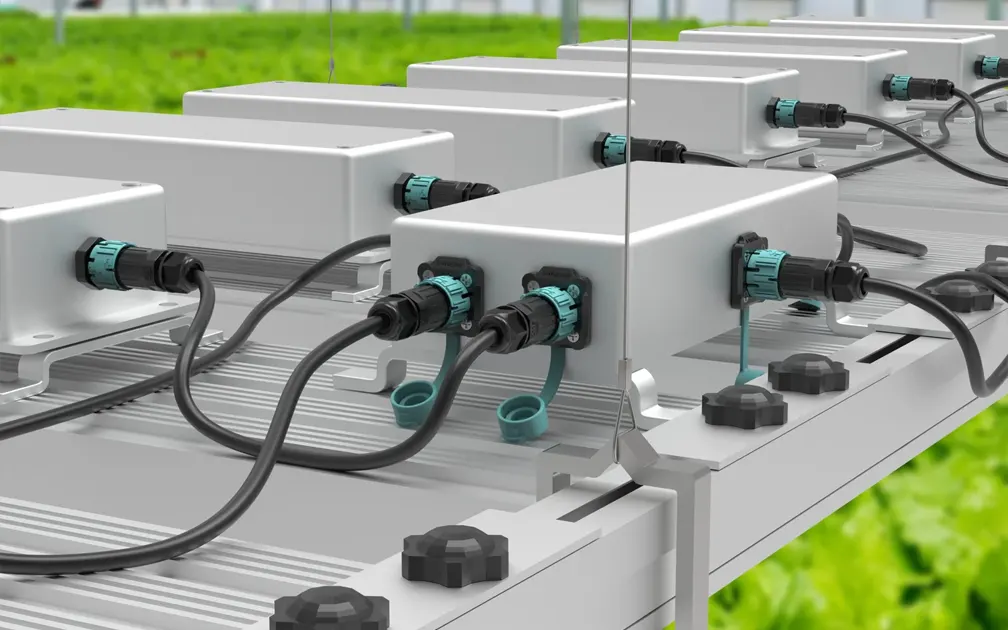
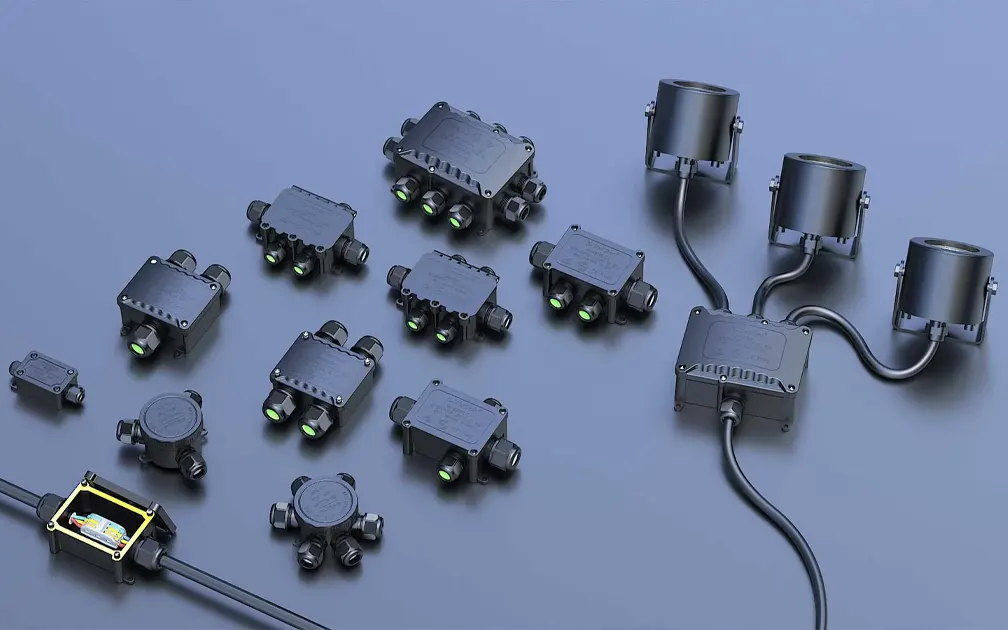
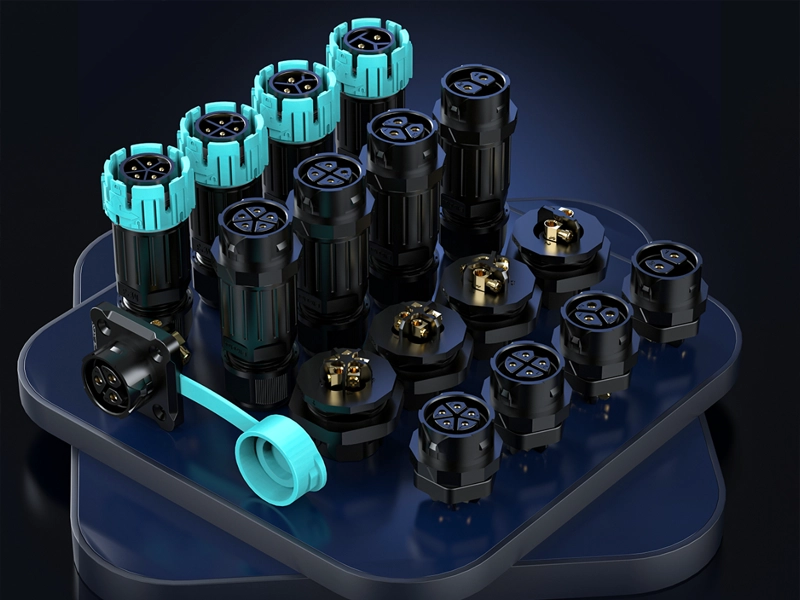
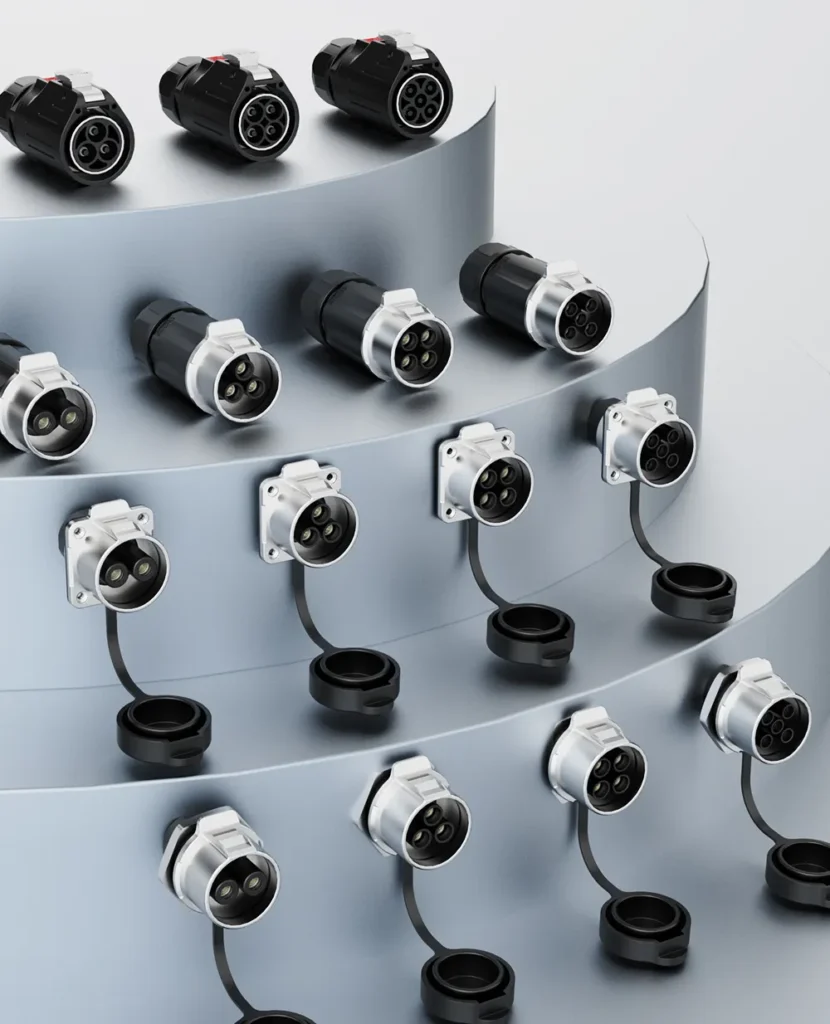
There are 10 common types of electrical connectors every buyer should know: terminal block connectors, circular connectors, rectangular connectors, blade connectors, coaxial connectors, wire splice connectors, push-in connectors, M12/M8 connectors, Anderson-style power connectors, and waterproof connector assemblies. Each type serves a different electrical load, environment, and installation method.
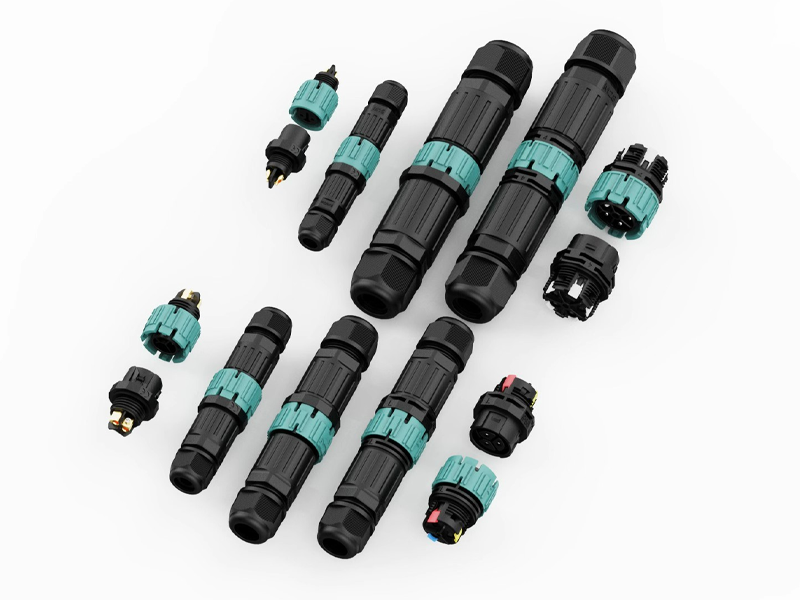
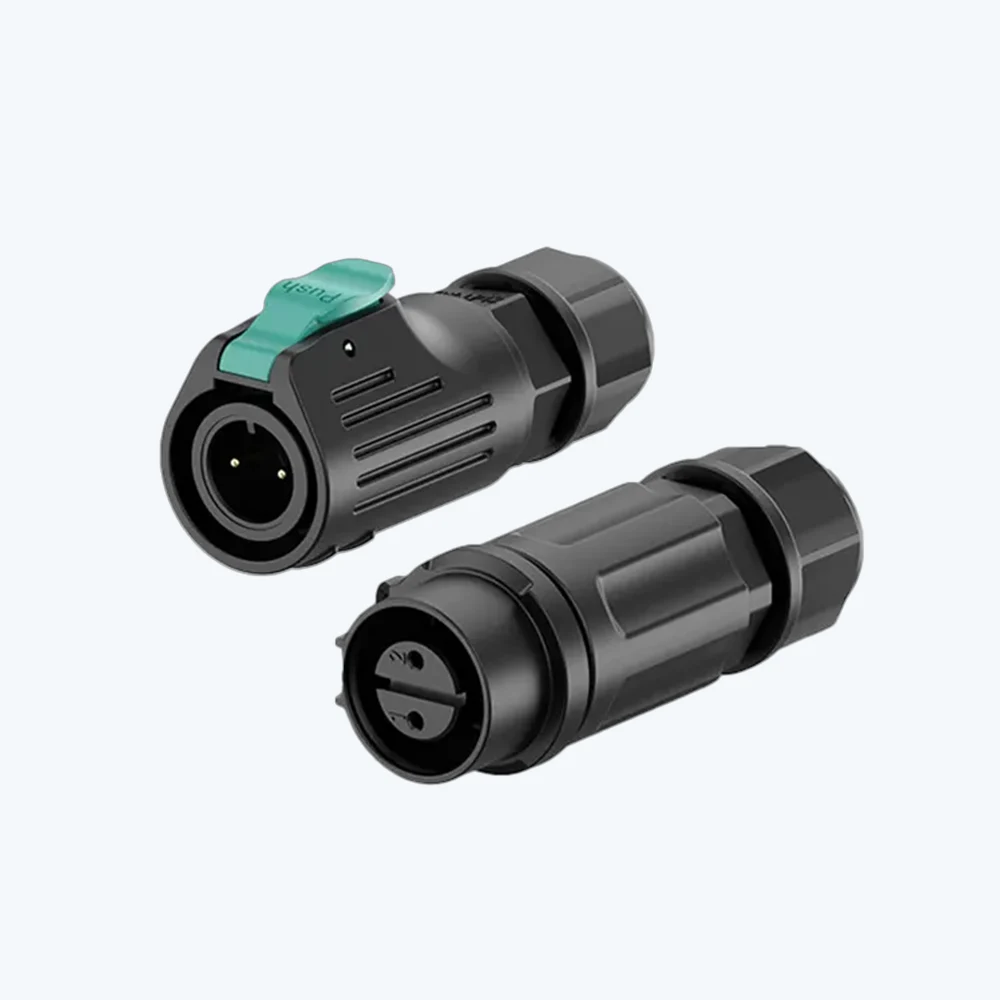
2-pin and multi-pin waterproof connectors differ in five key ways: the number of circuits they carry, their physical size and housing design, their current and voltage capacity per pin, the complexity of the mating and locking process, and the range of applications each type serves. Understanding these differences helps you specify the right connector before the cable is cut and the order is placed.
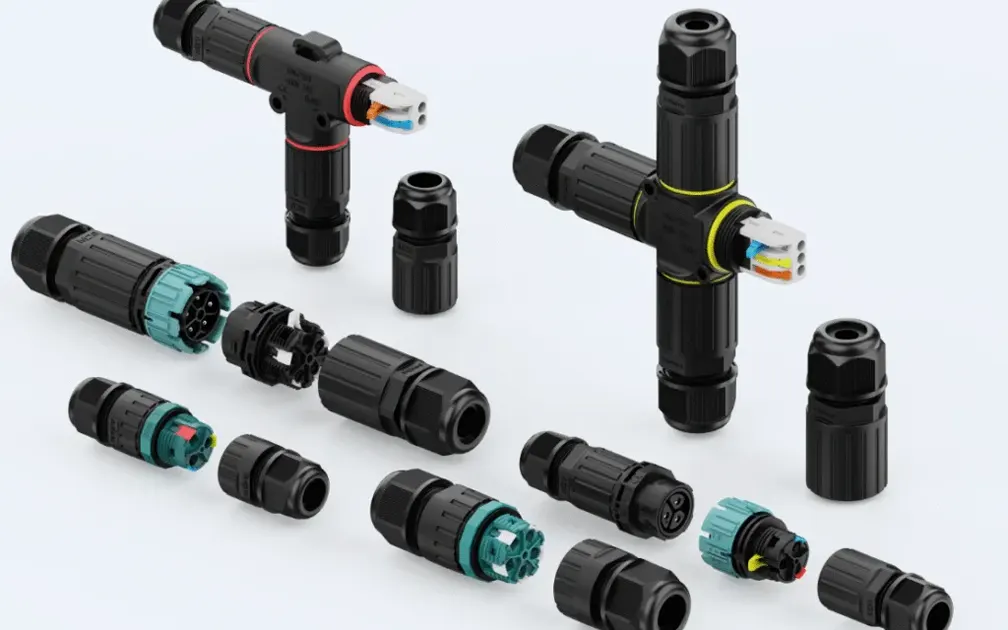
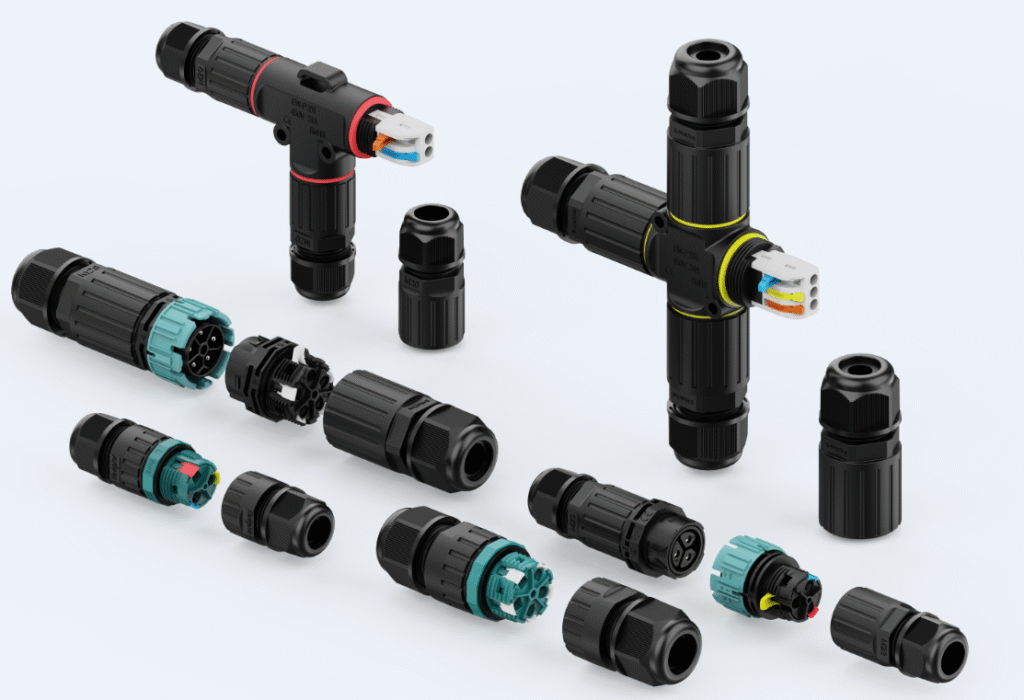
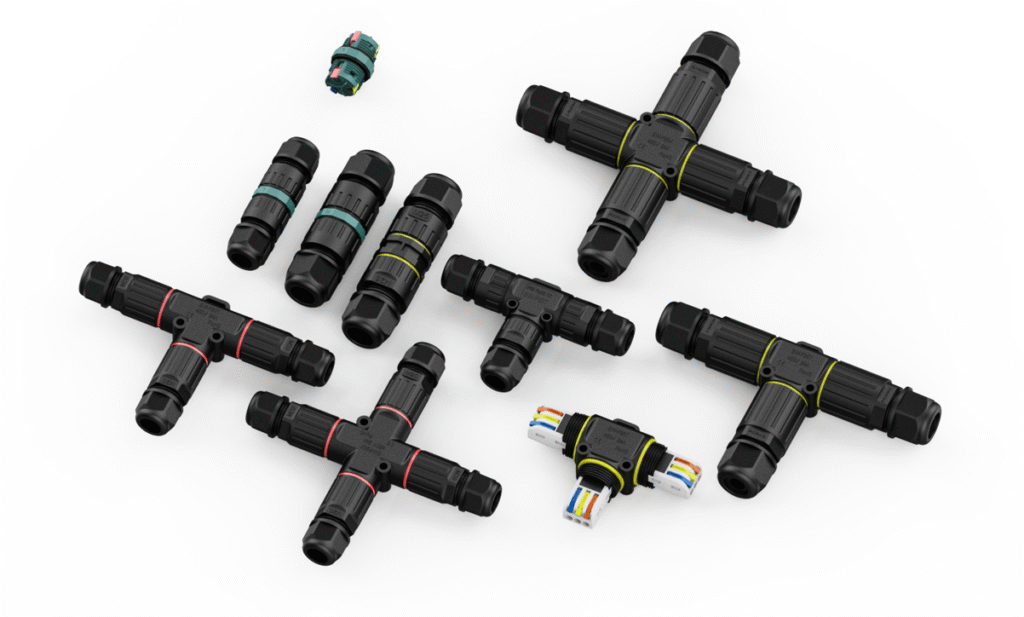
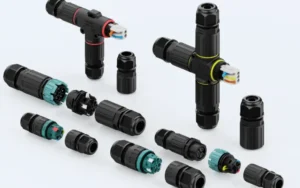
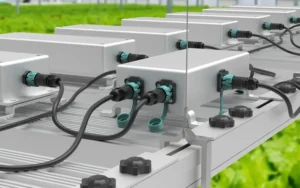
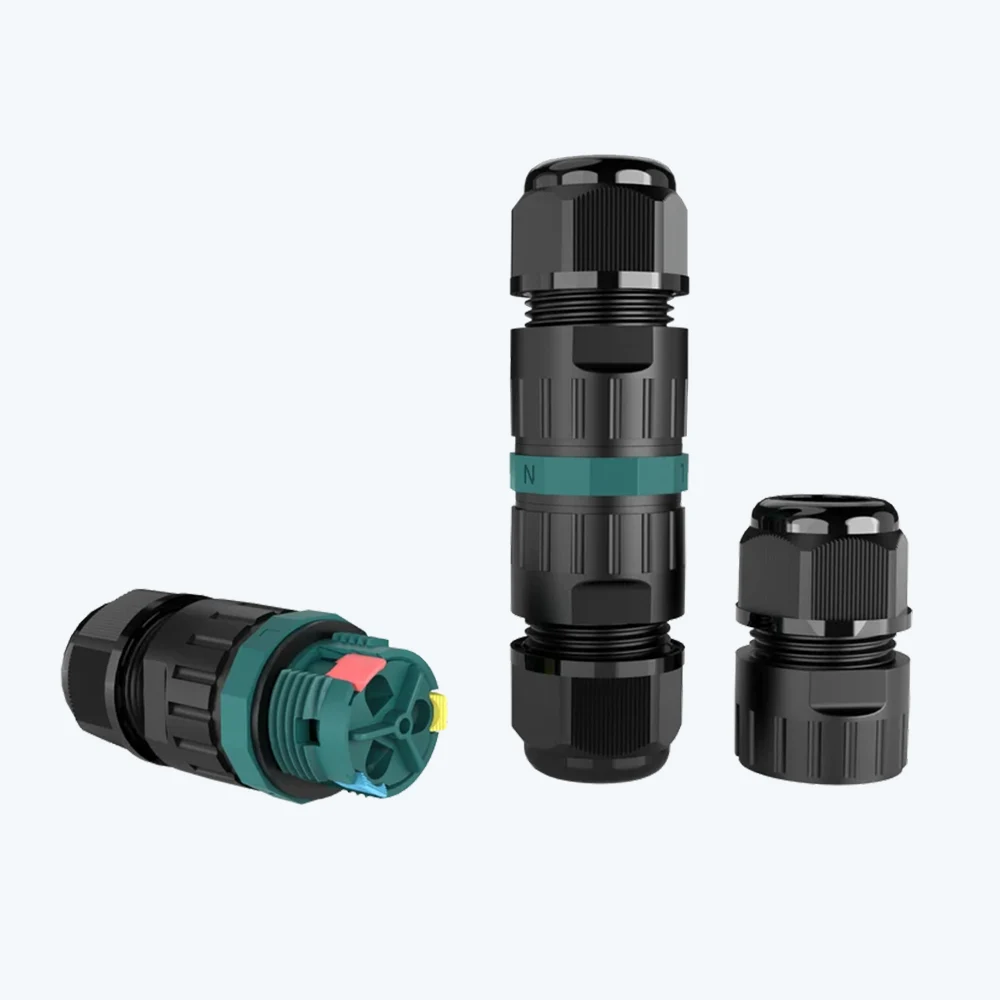
The main categories of waterproof push-in connectors for fast installation are: wire-to-wire connectors (I-type, T-type, and X-type), wire-to-panel connectors (panel-mount and flange-mount), the push-in lever connector, the waterproof push-in butt connector, and the IP68-rated push-in junction connector. Each type serves a different connection task, core count, and installation environment.
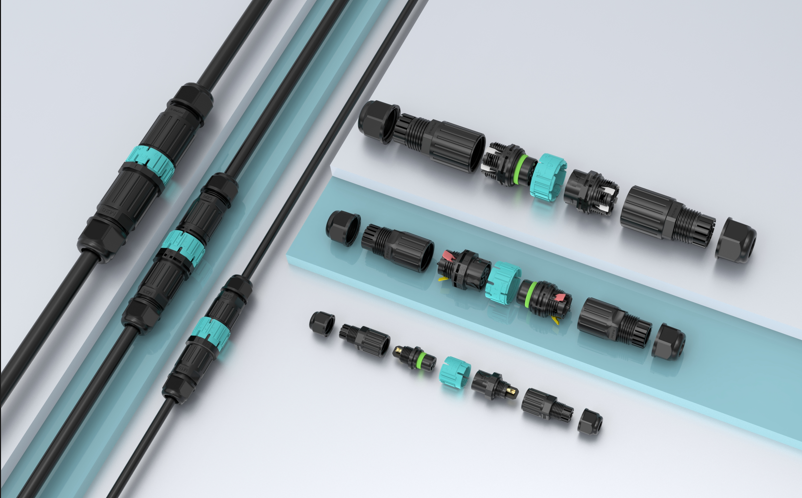
Male and female waterproof connectors differ in seven key ways: pin vs. socket contact design, which side carries live voltage, how the seal is formed, which half is the plug and which is the receptacle, how current rating is affected, how each is mounted or installed, and how the two halves lock together. Understanding each difference helps you spec the right connector the first time.
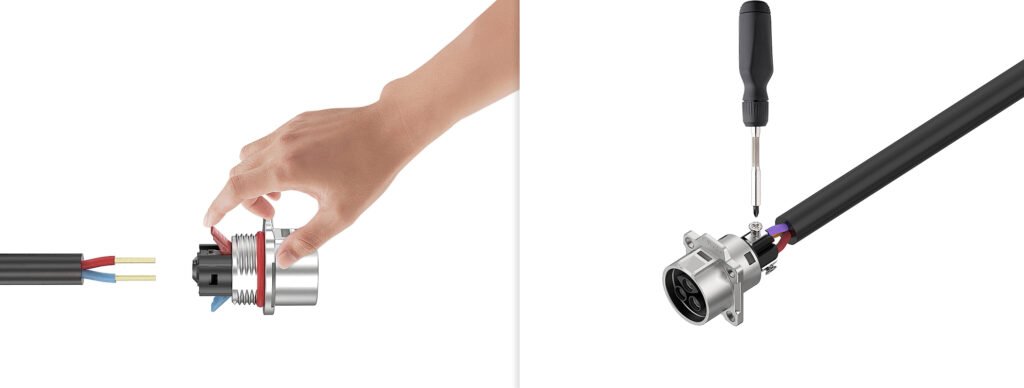
A screw connector uses a metal screw to clamp the wire in place, while a push-in connector uses a spring-loaded clamp that locks the wire when inserted. Screw connectors offer higher clamping force and better vibration resistance. Push-in connectors install faster and require no tools. The right choice depends on your application, wire gauge, and how often the connection needs to be opened.